
About IVF Treatment
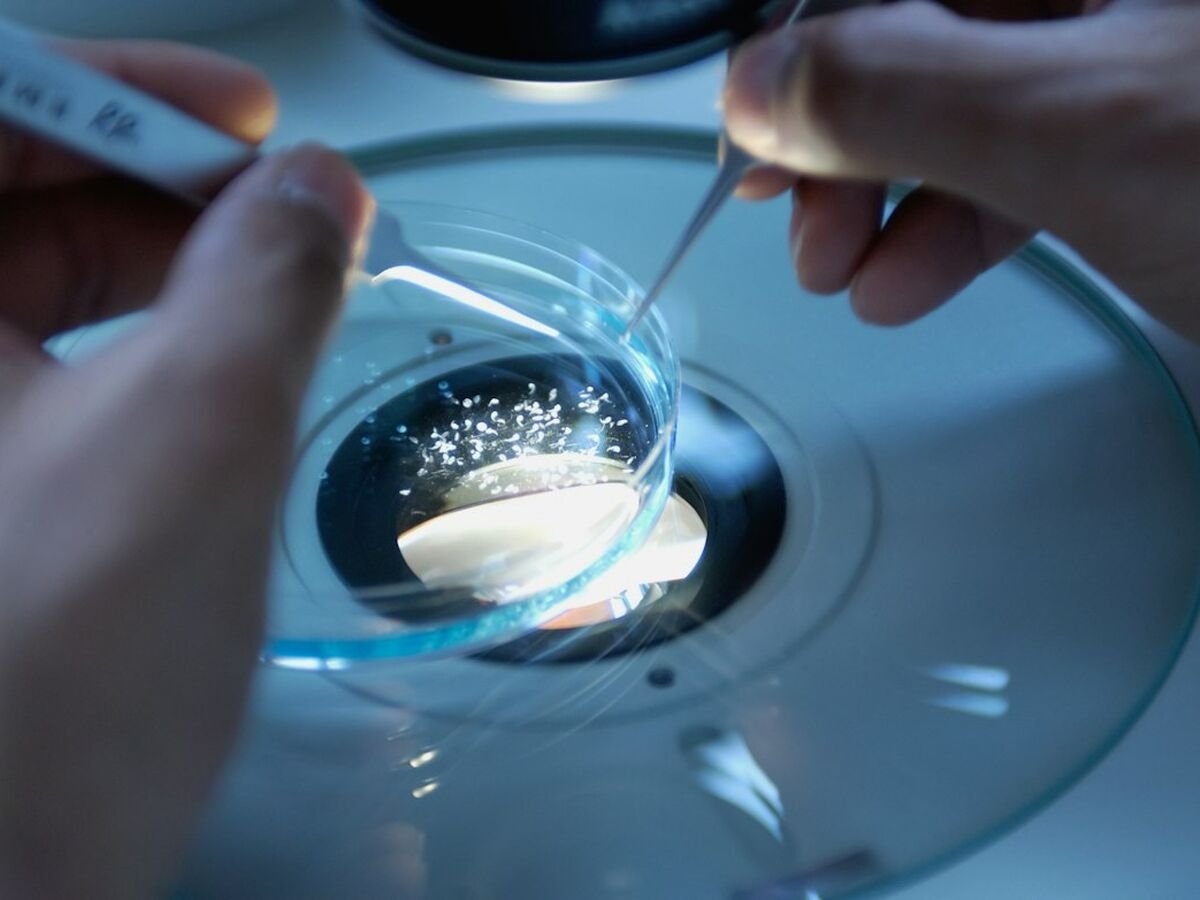
In vitro fertilisation (IVF) is a fertility treatment in which eggs are collected from the ovaries, fertilised with sperm in an embryology laboratory and the resulting embryo is transferred to the uterus. At Sparsh Mother & Child Hospital & IVF Fertility Center in Varanasi, IVF is offered as part of a complete fertility programme, so couples get assessment, counselling, treatment and follow-up in one place.
Who may need IVF
- Blocked or damaged fallopian tubes
- Low sperm count, poor sperm movement or abnormal sperm shape
- Endometriosis, ovulation disorders or reduced ovarian reserve
- Unexplained infertility that has not responded to simpler treatment such as IUI
- Repeated pregnancy loss, where the doctor advises an embryo-based approach
- Couples who also need genetic screening or fertility preservation
How an IVF cycle works
- Consultation and assessment: history, examination, hormone tests, ultrasound and semen analysis.
- Ovarian stimulation: fertility medicines help several eggs mature while ultrasound scans and blood tests track your response.
- Egg retrieval: a short procedure under anaesthesia to collect the eggs.
- Fertilisation and embryo culture: eggs and sperm are combined (IVF or ICSI) and embryos are observed in the laboratory for several days.
- Embryo transfer: selected embryo(s) are placed in the uterus; additional good-quality embryos can be frozen if advised.
- Pregnancy test and follow-up: a blood test is done about two weeks after transfer.
What to expect
A fresh cycle usually takes about four to six weeks from the start of medicines to the pregnancy test. Your doctor will explain medicines, scan dates, possible side effects such as bloating, and how many embryos to transfer based on your age and history. Success depends on age, egg and sperm quality, the cause of infertility and uterine health, so results differ between couples and no clinic can promise a particular outcome.
When to see a fertility specialist
Consider a consultation if you have been trying to conceive for 12 months (6 months if the woman is 35 or older), if periods are very irregular, or if you already know about PCOS, endometriosis, tubal problems or low sperm count. Early advice often saves time, effort and cost.
This information is educational and does not replace a medical consultation. Your doctor will plan care according to your own assessment. To plan a visit, book an appointment or contact our care team.