
About Pediatric Nephrology
Kidney and urinary problems in children can be silent at first, so regular attention to symptoms and simple tests is important. Pediatric nephrology care aims to identify problems early, protect kidney function and support healthy growth.
Problems we evaluate
- Urinary tract infections (UTI) and recurrent UTI
- Swelling of face or feet, including nephrotic syndrome
- Blood or protein in urine
- High blood pressure in children
- Kidney stones and urinary obstruction
- Bed-wetting and daytime urinary problems
- Antenatal kidney findings, such as hydronephrosis, in newborns
- Acute kidney injury and chronic kidney disease follow-up
How evaluation works
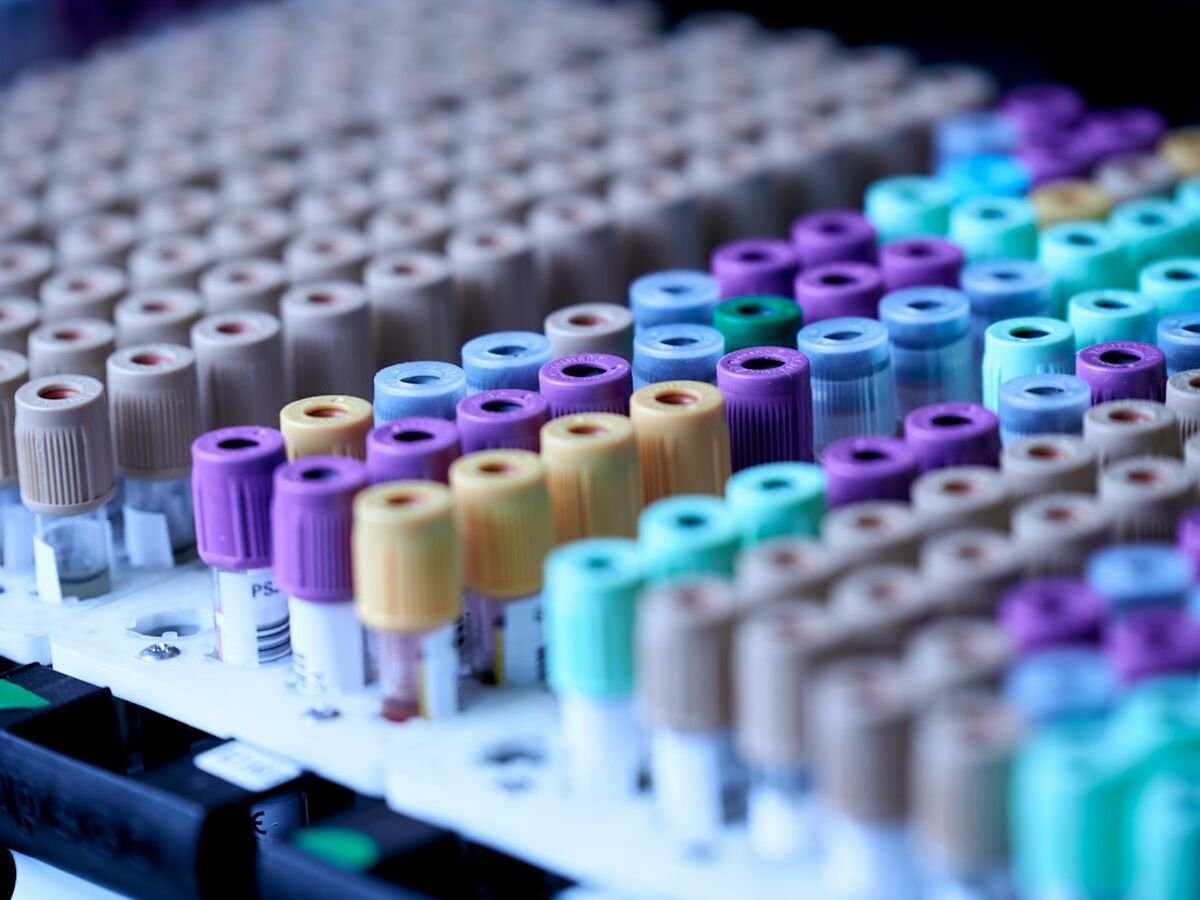
Doctors review symptoms, growth, blood pressure and urine output. Urine and blood tests are advised, and ultrasound of the kidneys and bladder is often used. Some children need additional imaging or specialised tests, and complex care such as dialysis or transplant is coordinated with an appropriate centre. Treatment is tailored to the cause and may include antibiotics, diet changes, blood pressure control and long-term monitoring.
Tips for parents
- Encourage adequate water intake and regular toilet breaks
- Teach good genital hygiene
- Do not give unnecessary painkillers or unprescribed herbal medicines
- Keep follow-up appointments for children with kidney conditions
When to seek help
Contact a doctor if your child has fever with burning urination, blood in urine, sudden puffiness of the face, very little urine, back or flank pain, or unexplained high blood pressure.
This information is educational and does not replace a medical consultation. Your doctor will plan care according to your own assessment. To plan a visit, book an appointment or contact our care team.