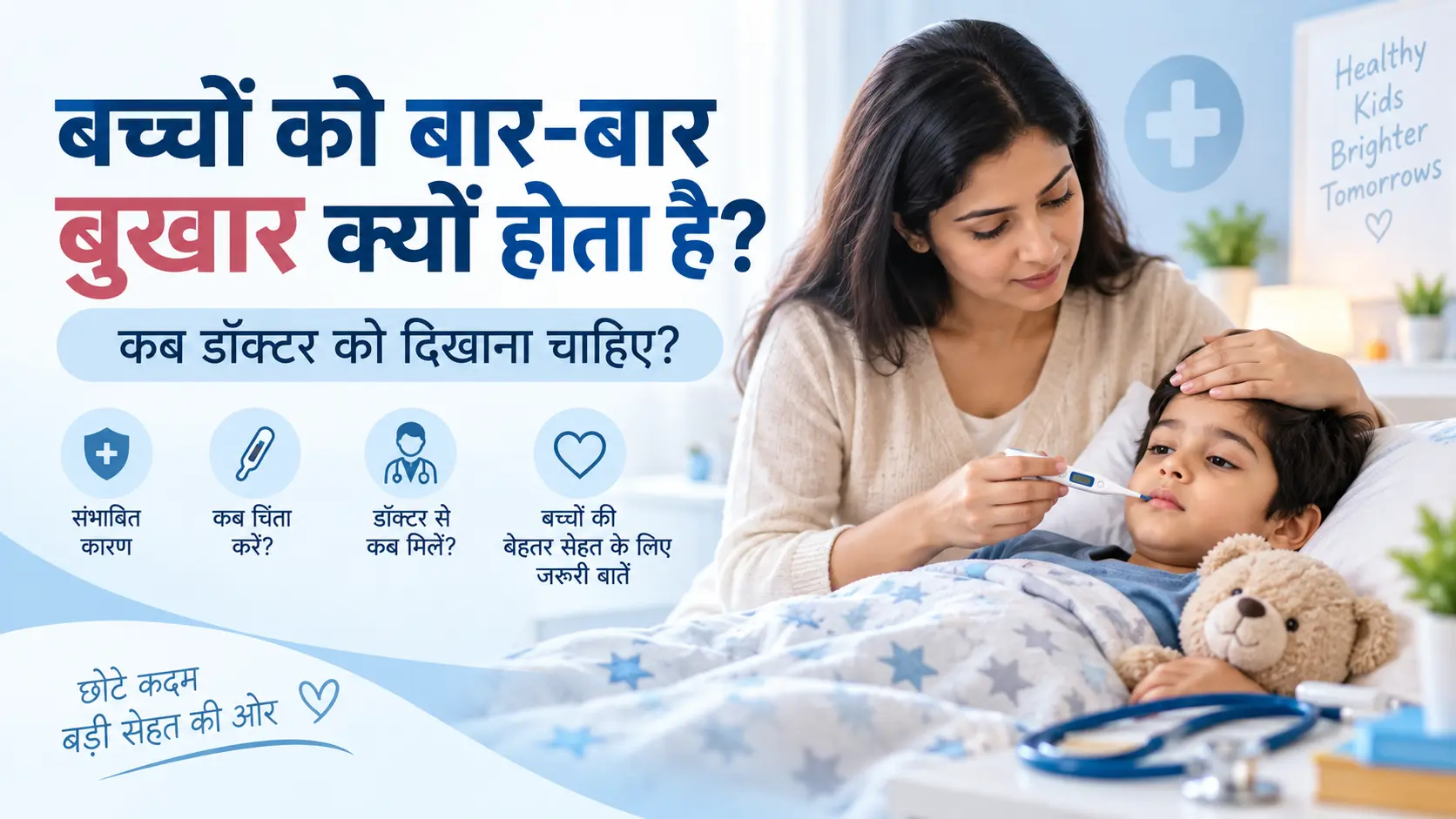

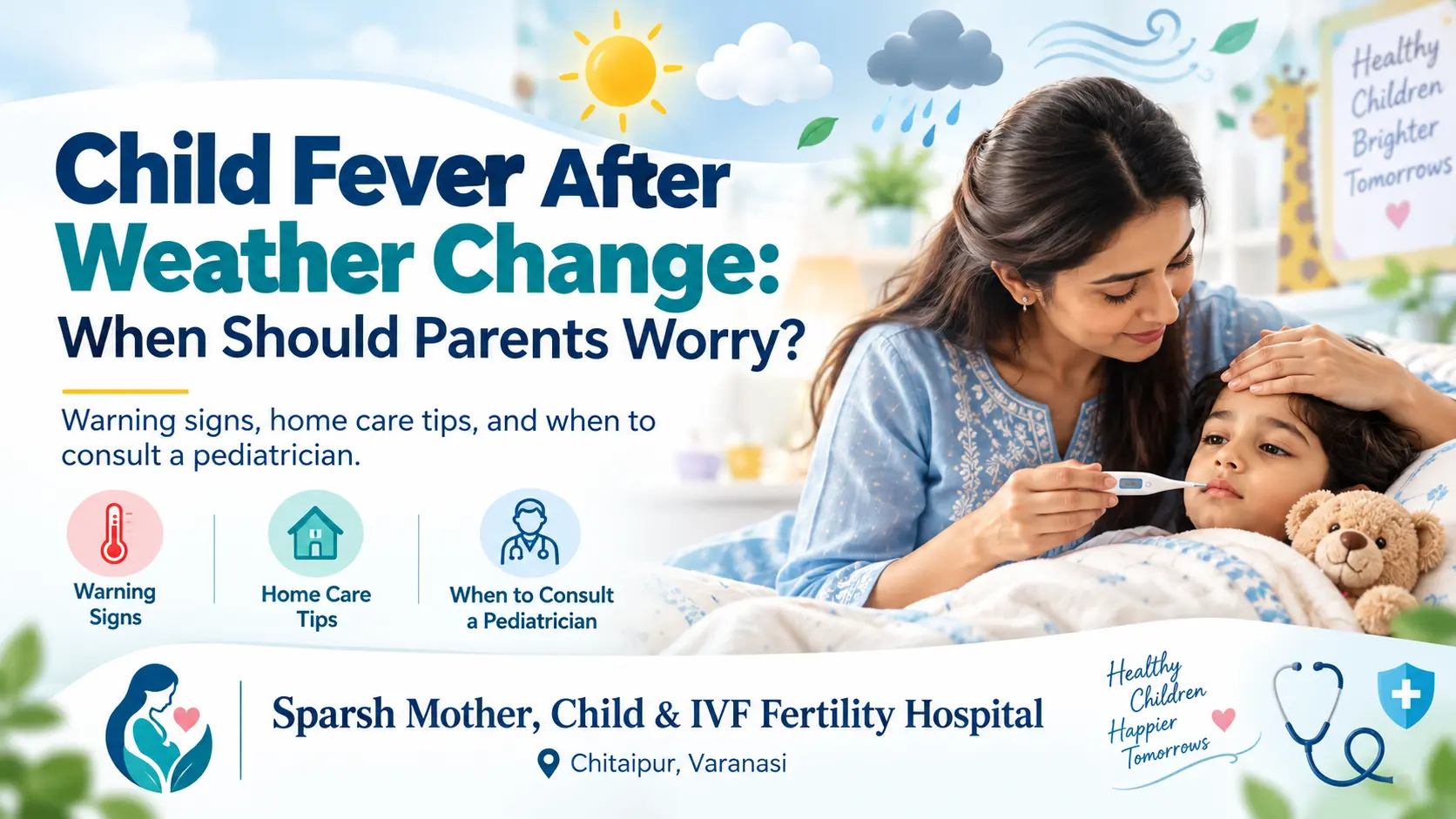
Weather changes can be difficult for children. As the temperature shifts from hot to cool, humidity rises or falls, or the rainy season transitions into cooler months, many parents notice their children developing fever, cough, cold, sore throat, weakness, or loss of appetite.
Fever itself is not a disease. It is usually the body’s natural response to an infection. In children, a temperature of 38°C (100.4°F) or higher is generally considered a fever.
Most childhood fevers are caused by common infections and improve with appropriate care. However, parents should know when fever can be managed at home and when it is time to consult a pediatrician in Varanasi.
At Sparsh Mother, Child & IVF Fertility Hospital, Chitaipur, Varanasi, parents can consult experienced child-care specialists for evaluation and management of fever, cough, respiratory infections, stomach infections, dehydration and other common childhood illnesses.
Why Do Children Often Get Fever When the Weather Changes?
A sudden change in weather does not directly cause fever. However, seasonal changes can create conditions in which respiratory viruses and other infections spread more easily.
Children are also frequently exposed to infections at school, daycare, playgrounds and other crowded places. Their immune systems are still developing, especially in younger children, which is why they may fall sick more often than adults.
Common problems seen around seasonal changes include:
Viral fever
Common cold
Influenza or flu
Throat infections
Tonsillitis
Respiratory infections
Gastrointestinal infections
Dengue and other mosquito-borne illnesses during suitable seasons
That is why every fever should be assessed along with the child’s age, symptoms, activity level, hydration and overall condition, rather than looking only at the number on the thermometer.
What Temperature Is Considered Fever in Children?
A temperature of 38°C or above is generally considered fever in children.
Parents should ideally use a digital thermometer instead of judging fever only by touching the child’s forehead.
The seriousness of fever also depends on the child’s age.
For example, a temperature of 38°C or higher in a baby younger than 3 months requires prompt medical attention. Babies between 3 and 6 months with a temperature of around 39°C or higher should also be medically assessed.
Common Symptoms Along With Fever
Fever during seasonal changes may occur with several other symptoms, including:
Runny or blocked nose
Cough
Sneezing
Sore throat
Headache
Body ache
Chills
Tiredness
Loss of appetite
Vomiting
Loose stools
Irritability
Excessive sleepiness
The combination of symptoms often helps a child specialist in Varanasi determine the possible cause.
For instance, fever accompanied by cough, sore throat and runny nose may point towards a respiratory infection, whereas fever with vomiting or diarrhea may indicate a gastrointestinal infection.
When Can Parents Monitor Fever at Home?
Many children with mild viral fever can initially be monitored at home when they are otherwise active and comfortable.
Parents should pay attention to whether the child is:
Drinking enough fluids
Passing urine normally
Responding and interacting normally
Breathing comfortably
Able to eat at least small amounts
Improving between episodes of fever
Many uncomplicated childhood fevers settle within a few days. NHS guidance notes that fever in children commonly returns to normal within about 1 to 4 days.
However, duration alone should not determine whether a child needs medical attention. Parents should always pay attention to the child’s overall condition.
Warning Signs: When Should Parents Consult a Pediatrician?
Parents should contact a pediatrician if the fever is persistent, worsening, or accompanied by concerning symptoms.
Seek medical advice when your child:
Has persistent fever for several days
Is unusually sleepy or less responsive
Refuses food and fluids
Is repeatedly vomiting
Has significant diarrhea
Has severe headache
Develops a rash
Complains of severe abdominal pain
Has persistent cough
Complains of ear pain
Has painful urination
Becomes unusually irritable
Appears weaker instead of improving
A fever lasting 5 days or longer is one of the situations in which medical assessment is recommended.
If your child’s fever is not improving as expected, consulting a pediatrician in Chitaipur, Varanasi can help identify the underlying cause and determine whether tests or specific treatment are necessary.
Emergency Warning Signs Parents Should Never Ignore
Some symptoms require immediate medical attention.
Take your child for urgent medical care if you notice:
1. Difficulty Breathing
Watch for:
Very fast breathing
Breathlessness
Ribs pulling inward while breathing
Grunting sounds
Blue or grey lips
Difficulty speaking or feeding because of breathing problems
Fast or difficult breathing and bluish lips or face are recognized emergency warning signs in children with respiratory illnesses.
2. Severe Dehydration
Signs may include:
Very little urine
Dry mouth
No tears while crying
Sunken eyes
Extreme weakness or lethargy
Dehydration is an important warning sign in a child with fever, particularly if vomiting or diarrhea is also present.
3. Child Is Difficult to Wake
If the child is unusually drowsy, confused, not responding normally or difficult to wake, seek urgent medical care.
4. Seizure or Fit
Some young children can experience a febrile seizure during fever. A first seizure or prolonged seizure requires urgent medical attention.
5. Non-Fading Rash
A rash that does not fade when pressure is applied can be associated with serious illness and requires immediate medical evaluation.
Could Fever Be Dengue?
During and after the monsoon season, parents in many parts of India are understandably concerned about dengue.
Not every fever is dengue.
However, parents should be more cautious when fever is accompanied by symptoms such as:
Severe weakness
Persistent vomiting
Abdominal pain
Rash
Bleeding from the nose or gums
Unusual sleepiness or restlessness
A pediatrician may recommend blood investigations depending on the child’s symptoms, examination and duration of fever.
Parents should avoid self-ordering unnecessary tests on the first day of every fever. The appropriate timing and type of test depend on the suspected illness.
Fever With Cough and Cold: Is It Always Viral?
No.
Viruses are a very common cause of fever with cough and cold, but similar symptoms can also occur with:
Influenza
Tonsillitis
Ear infection
Sinus infection
Bronchitis
Pneumonia
Other respiratory infections
Flu typically tends to cause a more sudden illness and may include fever, chills, body ache, fatigue, headache and cough.
If a child has breathing difficulty, chest discomfort, worsening cough or fever that improves and then returns, medical evaluation is important.
What Should Parents Do at Home?
For an otherwise stable child with mild fever, some basic supportive measures may help.
Keep the Child Hydrated
Offer fluids frequently.
Depending on the child’s age, this may include:
Breast milk
Water
ORS when advised
Soup
Other appropriate fluids
Breastfeeding should generally continue normally in breastfed babies with fever.
Do Not Force Food
A temporary reduction in appetite is common during fever.
Offer light, nutritious and easy-to-digest foods in small portions rather than forcing the child to eat a full meal.
Let the Child Rest
Adequate sleep and rest allow the body to recover.
Children with fever should avoid strenuous activity until they are feeling better.
Keep Clothing Comfortable
Avoid wrapping the child in excessive blankets or heavy clothing.
Children with fever should be kept comfortable rather than deliberately made very cold or very warm.
Should Parents Give Fever Medicine?
Medicines such as paracetamol or ibuprofen may sometimes be used when a child is uncomfortable or distressed, but the appropriate medicine and dose depend on the child’s age and weight.
Parents should not repeatedly give medicines without knowing the correct dosage.
Do not give aspirin to children unless specifically instructed by a doctor; routine aspirin use in children is not recommended.
If you are unsure about the dose or whether a medicine is appropriate, consult a pediatrician.
Do Children Need Antibiotics for Fever?
Not always.
This is one of the most important things parents need to understand.
Antibiotics treat bacterial infections. They do not treat viral infections.
Many cases of seasonal fever, cold and flu in children are viral. Giving antibiotics unnecessarily does not make viral fever recover faster and may contribute to antibiotic resistance.
A pediatrician decides whether antibiotics are required after evaluating the child.
Never start leftover antibiotics from an earlier illness without medical advice.
Should Parents Immediately Get Blood Tests Done?
Not every child with fever requires blood tests.
A doctor may recommend investigations when:
Fever persists
The child appears significantly unwell
Dengue, typhoid or another infection is suspected
There are specific clinical symptoms
The diagnosis is unclear
The child’s condition is worsening
The decision depends on the child’s history, physical examination, age and symptoms.
How Can Parents Reduce Seasonal Infections?
Not every infection can be prevented, but some everyday habits can reduce the risk.
Encourage Handwashing
Teach children to wash their hands:
Before eating
After using the toilet
After returning from school or outdoors
After coughing or sneezing
Avoid Sharing Personal Items
Children should avoid sharing:
Water bottles
Towels
Utensils
Handkerchiefs
especially when someone is unwell.
Follow Recommended Vaccination
Vaccination is an important part of preventive child health.
Parents should keep their child’s vaccination records updated and discuss any missed vaccinations with their pediatrician.
Maintain Good Nutrition
A balanced diet containing adequate protein, vegetables, fruits and other nutritious foods helps support normal growth and immune function.
Encourage Proper Sleep
Children need sufficient sleep for healthy growth, development and immune function.
When Can a Child Return to School?
A child with fever should generally stay home while unwell.
CDC guidance recommends keeping children home when they have fever or when respiratory symptoms are worsening or interfering with normal participation in school.
Parents should follow their pediatrician’s advice and the school’s health policy regarding when the child can safely return.
Why Pediatric Evaluation Matters
Children cannot always describe what they are experiencing.
A young child with fever may simply become:
Irritable
Sleepy
Less playful
Uninterested in food
More clingy than usual
A pediatric examination helps assess more than temperature alone.
The doctor may evaluate:
Breathing
Throat
Ears
Hydration
Heart rate
Lungs
Abdomen
Skin
Activity level
Other signs of infection
This helps determine whether the child needs only supportive care or further investigation and treatment.
Pediatric Care at Sparsh Mother, Child & IVF Fertility Hospital, Chitaipur, Varanasi
If your child develops persistent fever, recurrent fever, cough, cold, breathing problems, vomiting, diarrhea, poor appetite or other concerning symptoms, timely pediatric consultation can help identify the cause and guide appropriate treatment.
Sparsh Mother, Child & IVF Fertility Hospital, Chitaipur, Varanasi provides child healthcare services for infants, children and adolescents.
Parents looking for a pediatrician in Varanasi, child specialist in Varanasi, child fever treatment in Varanasi or pediatric hospital in Varanasi can consult the pediatric team at Sparsh for appropriate medical evaluation and guidance.
Frequently Asked Questions
1. When should I worry about my child’s fever?
Seek medical advice when fever persists, the child becomes very weak or drowsy, refuses fluids, has breathing difficulty, repeated vomiting, severe abdominal pain, seizures or a concerning rash.
2. Is 100°F fever dangerous for a child?
Temperature alone does not determine how serious an illness is. The child’s age, activity, hydration, breathing and accompanying symptoms are equally important.
A temperature of 38°C (100.4°F) or higher in a baby under 3 months requires prompt medical attention.
3. How long does viral fever usually last in children?
Many uncomplicated fevers improve within a few days. However, if fever persists for several days or the child is becoming more unwell, consult a pediatrician.
4. Does every fever need antibiotics?
No. Many childhood fevers are caused by viruses, and antibiotics do not work against viral infections.
5. When should I take my child to a pediatrician in Varanasi?
Consult a pediatrician if your child has persistent fever, repeated fever episodes, breathing difficulty, dehydration, extreme weakness, seizures, worsening cough, severe pain or any symptom that concerns you.
Final Takeaway
Fever after a weather change is common among children, but parents should not ignore changes in the child’s overall condition.
Rather than focusing only on the thermometer reading, observe whether your child is:
Drinking well, breathing comfortably, passing urine normally, responding normally and gradually improving.
Persistent fever, difficulty breathing, dehydration, unusual drowsiness, seizures or worsening symptoms should always be taken seriously.
For pediatric consultation and child fever treatment in Varanasi, parents can visit Sparsh Mother, Child & IVF Fertility Hospital, Chitaipur, Varanasi for evaluation and appropriate medical guidance.
Medical Disclaimer: This article is intended for general educational purposes and should not replace examination, diagnosis or treatment by a qualified pediatrician. If your child appears seriously unwell or you are concerned about their symptoms, seek medical attention promptly.