

What is IUI?
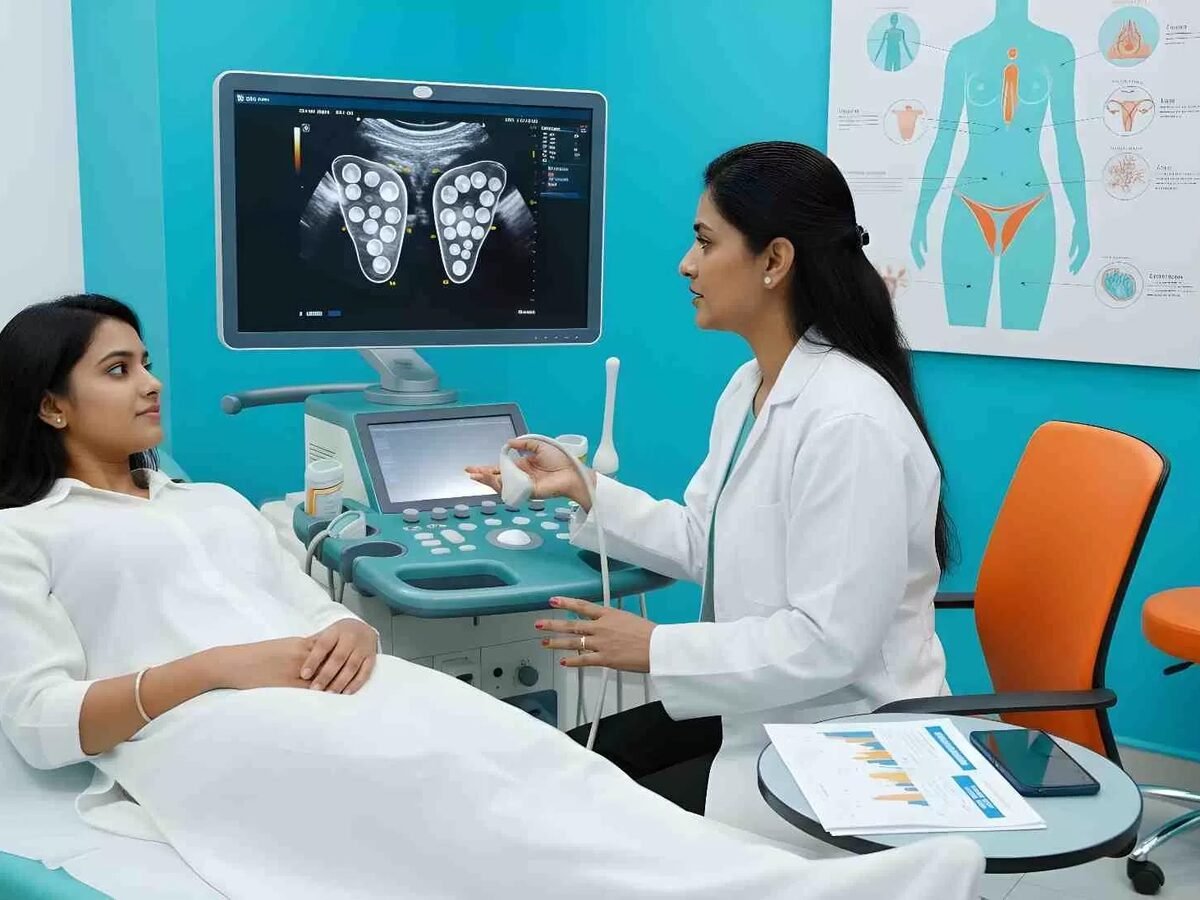
Intrauterine insemination (IUI) is a simple fertility treatment in which a semen sample is washed and concentrated in the laboratory and then placed into the uterus through a thin catheter around the time of ovulation. Unlike IVF, fertilisation still takes place inside the woman's body, so at least one healthy fallopian tube and adequate sperm quality are needed.
Who may benefit from IUI?
- Women with mild ovulation problems who respond to ovulation induction
- Mild male-factor infertility, such as slightly reduced sperm count or motility
- Unexplained infertility, as a first step
- Mild endometriosis or cervical factors
- Use of donor sperm within the legal framework
Who is less likely to benefit?
IUI is not advised when both fallopian tubes are blocked, when sperm quality is very poor, or when the woman's age or ovarian reserve makes a longer wait unhelpful. In these situations IVF or ICSI is usually the more suitable option. Read a simple comparison in our blog on IVF vs IUI.
How an IUI cycle works
- Baseline check: scan and hormone tests on an early day of the cycle.
- Ovulation induction: tablets or injections help follicles grow, tracked by ultrasound.
- Trigger: an injection is timed to release the egg when the follicle is ready.
- Insemination: the prepared sperm sample is placed in the uterus. It takes a few minutes and is usually painless.
- Waiting and test: supportive medicines may be given, and a pregnancy test is done about two weeks later.
What affects the chance of success?
The woman's age, ovarian reserve, tubal health, sperm quality, the cause of infertility and the number of mature follicles all matter. IUI is typically tried for a limited number of cycles; if pregnancy does not occur, your doctor will review the reasons and advise whether to continue or move to IVF instead of repeating the same approach.
Cost considerations
IUI is generally less expensive than IVF because it involves fewer medicines and no egg retrieval or laboratory embryo culture, but the total depends on the medicines, the number of scans and the cycles required. Ask for an itemised estimate at consultation.
Start with a proper evaluation
Before IUI, both partners should be assessed: semen analysis, ovulation status and a tubal check when indicated. Book a consultation with Dr. Deepa Seth at Sparsh IVF Fertility Centre to find out if IUI is appropriate for you, or explore fertility testing first.
हिंदी में संक्षेप
IUI में धुले हुए शुक्राणुओं को ओव्यूलेशन के समय गर्भाशय में रखा जाता है। यह तब उपयोगी है जब फैलोपियन ट्यूब खुली हों और शुक्राणु की गुणवत्ता ठीक हो। अगर कुछ साइकल के बाद भी गर्भ न ठहरे तो डॉक्टर IVF की सलाह दे सकते हैं।
Visit Sparsh in Chitaipur, Varanasi
Sparsh Mother & Child Hospital & IVF Fertility Center, Gokulpuram Colony, Chitaipur - Chunar Road, Kandwa, Varanasi, Uttar Pradesh 221106. Open 24 hours. Call +91 80900 76144 or book an appointment online.
Frequently asked questions
Is IUI painful?
How many IUI cycles are usually tried?
Can IUI work if the fallopian tubes are blocked?
What is the difference between IUI and IVF?
When is the pregnancy test done after IUI?
Ready to talk to a specialist?
Book a consultation and our team will confirm your appointment. Every plan is made after an individual examination.
Medical information is general and does not replace an examination. Outcomes vary between patients. For an emergency, use appropriate emergency services.